A Comprehensive Guide to Understanding This Emerging Therapeutic Path
Quick Summary / Key Takeaways
- At-home ketamine therapy, under strict medical supervision, offers a novel approach for managing treatment-resistant anxiety, leveraging its rapid neuroplastic effects.
- Eligibility requires thorough medical and psychological evaluation to ensure safety and suitability, as it’s not a first-line treatment for everyone and contraindications exist.
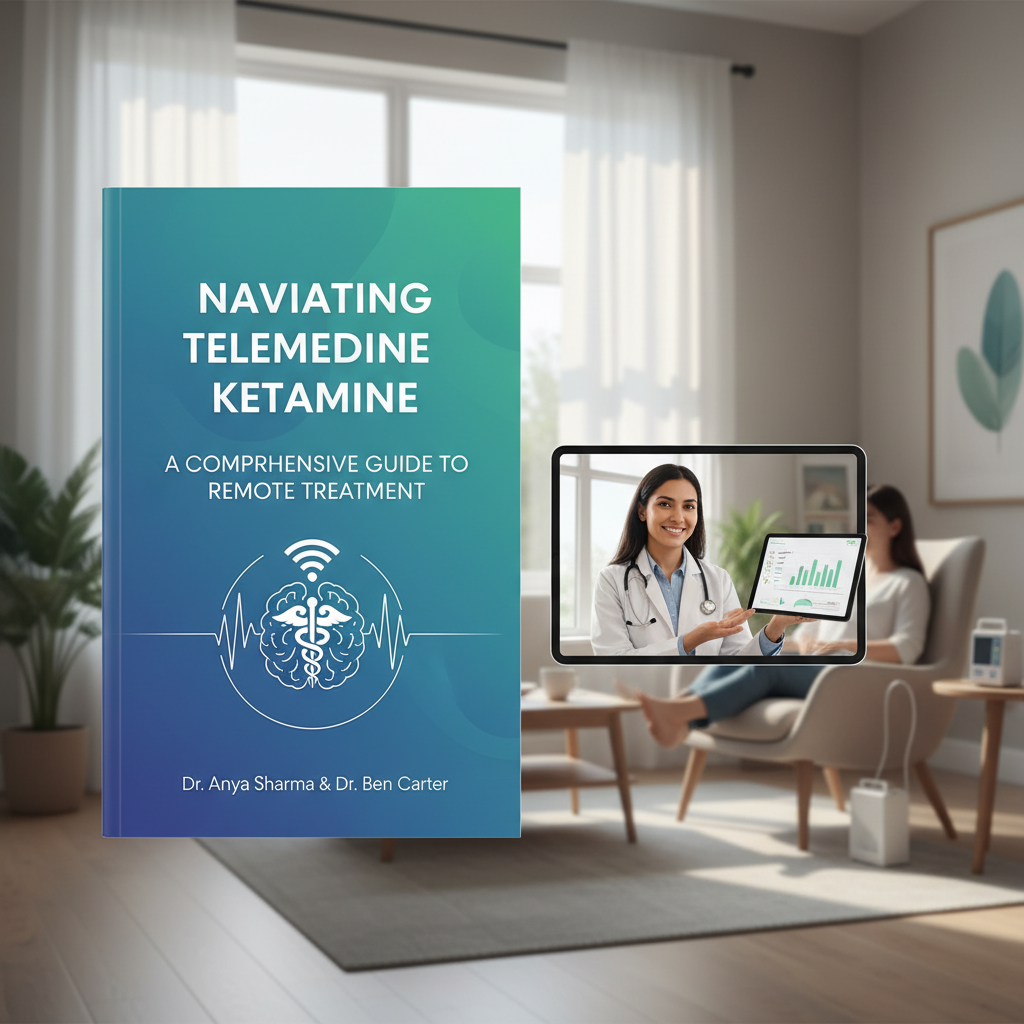
- The process typically involves telemedical consultations, prescribed sublingual lozenges, and a monitored at-home experience, often with a trusted support person present for safety.
- Potential benefits include significant reductions in anxiety symptoms, improved mood, and enhanced emotional regulation, often where other conventional treatments have proven ineffective.
- Despite its promise, users must be aware of potential side effects, the critical importance of integration therapy, and the necessity of ongoing clinical oversight for optimal, lasting outcomes.
Introduction
Anxiety can feel like a relentless shadow, coloring every aspect of life and making even simple tasks overwhelming. For many, traditional treatments like therapy and antidepressants offer a lifeline, but for a significant portion, the shadow persists, treatment-resistant and debilitating. This is where innovation steps in, offering new pathways to relief. Enter at-home ketamine therapy, an emerging treatment gaining traction for its potential to rapidly alleviate severe anxiety symptoms, especially when conventional methods have fallen short. It’s a concept that sounds both revolutionary and perhaps a bit daunting: bringing a powerful therapeutic agent, previously confined to clinics, into the comfort and privacy of one’s own home. But this isn’t a DIY solution. Far from it, at-home ketamine therapy operates under rigorous medical supervision, marrying the convenience of home-based care with the clinical oversight essential for safety and efficacy. It represents a paradigm shift, recognizing the profound impact of environment on healing and providing a highly personalized approach to mental wellness. This article aims to demystify at-home ketamine for anxiety, guiding you through its mechanisms, process, safety protocols, and the crucial role of integration. We’ll explore who might benefit, what to expect, and how to navigate this innovative therapeutic landscape with informed confidence, ensuring you understand that a new dawn might just be possible.
At-Home Ketamine vs. Traditional Anxiety Treatments
| Feature | At-Home Ketamine | SSRIs/SNRIs | CBT |
|---|---|---|---|
| Onset of Action | Hours to Days | Weeks to Months | Weeks to Months |
| Mechanism | Neuroplasticity, NMDA Mod. | Serotonin/Norepinephrine | Cognitive Restructuring |
| Supervision | Telemed/In-Person | Primary Care/Psychiatrist | Therapist |
| Accessibility | Emerging, Telehealth | Widespread | Widespread |
Key Considerations for At-Home Ketamine Safety
| Aspect | Guideline | Importance | Frequency/Details |
|---|---|---|---|
| Medical Screening | Strict contraindications | Patient safety, efficacy | Pre-treatment, ongoing |
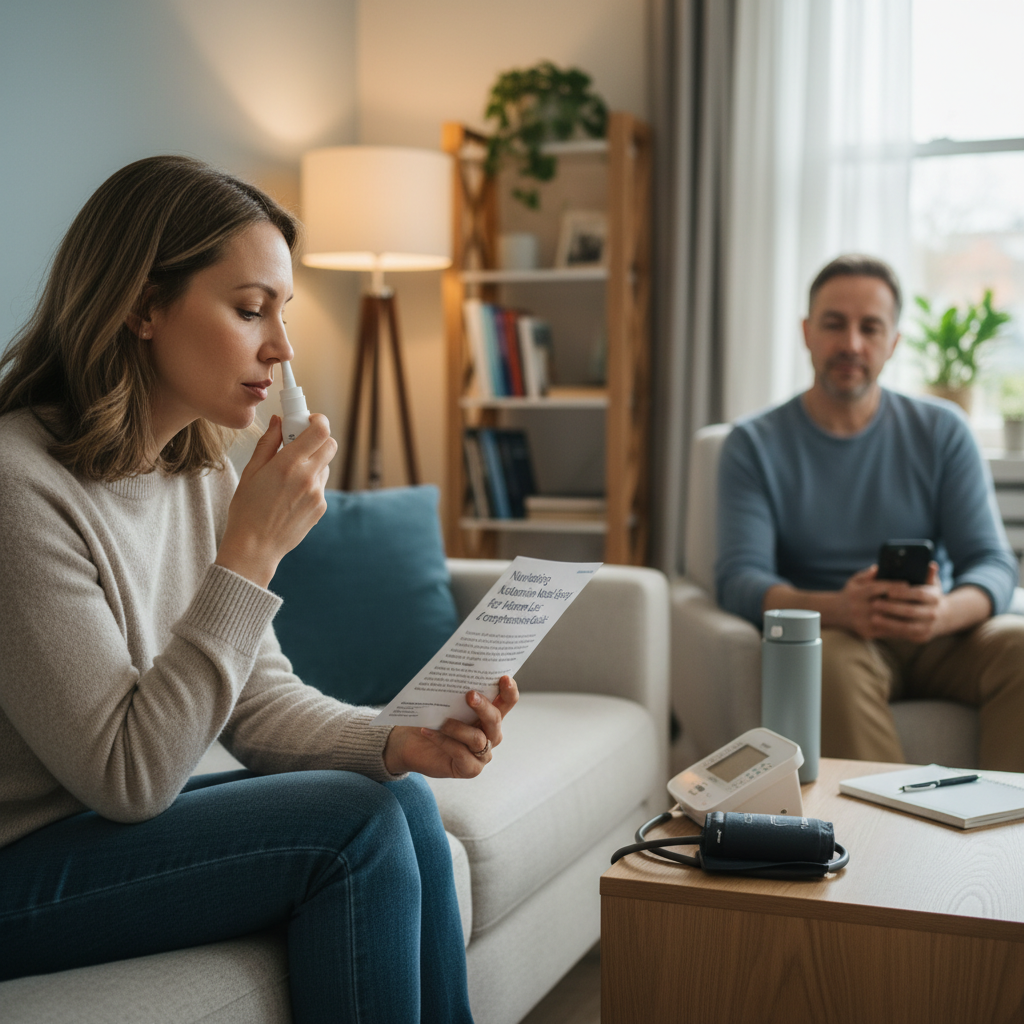
| Support Person | Mandatory presence | Monitoring, comfort | During dosing sessions |
| Environment | Quiet, safe, calming | Reduce risks, enhance exp. | Dedicated space |
| Dosing Schedule | Prescribed by clinician | Avoid misuse, maximize ben. | 2-3x/week initially, then less |
Application Preparation Checklist
- Complete a comprehensive medical and psychological evaluation with a qualified clinician.
- Establish a safe, private, and comfortable space for your at-home ketamine sessions.
- Designate a trusted adult support person to be present with you during all dosing sessions.
- Thoroughly understand and commit to the prescribed dosing protocol and integration therapy plan.
Post-Arrival Checklist
- Engage in regular follow-up consultations with your prescribing clinician to review progress.
- Actively participate in integration therapy to process experiences and translate insights into daily life.
- Monitor and promptly report any new or persistent side effects, concerns, or changes in mood.
- Maintain a healthy lifestyle, including sleep, nutrition, and exercise, to support long-term well-being.
Table of Contents
Section 1: Understanding At-Home Ketamine Therapy
- What is at-home ketamine therapy for anxiety?
- How does ketamine work to alleviate anxiety symptoms?
- Who is an ideal candidate for at-home ketamine treatment?
- Is at-home ketamine therapy legal and regulated?
Section 2: The At-Home Ketamine Journey: Process and Safety
- What does a typical at-home ketamine session entail?
- How is dosing determined for at-home ketamine treatment?
- What safety precautions are essential for at-home ketamine use?
- What role does a support person play during at-home sessions?
Section 3: Benefits, Risks, and Expectations
- What are the potential benefits of at-home ketamine for anxiety?
- What are the common side effects of at-home ketamine therapy?
- How long do the effects of at-home ketamine treatment last?
- Can at-home ketamine therapy be addictive or abused?
Section 4: Integration and Long-Term Wellness
- What is “integration therapy” and why is it important?
- How can I maximize the therapeutic benefits of at-home ketamine?
- What happens after the initial course of at-home ketamine therapy?
- Are there long-term considerations for at-home ketamine users?
Frequently Asked Questions
Section 1: Understanding At-Home Ketamine Therapy
FAQ 1: What is at-home ketamine therapy for anxiety?
At-home ketamine therapy for anxiety involves medically supervised administration of prescribed ketamine, typically sublingual lozenges, in a patient’s home, primarily for treatment-resistant anxiety. This innovative approach leverages ketamine’s rapid-acting neuroplastic effects, offering a potential breakthrough where conventional therapies have fallen short. Patients undergo thorough screening, receive detailed instructions, and are often monitored remotely or with a trusted companion present during sessions. The goal is to provide a safe, controlled environment for experiencing ketamine’s therapeutic benefits, followed by integration work.
FAQ 2: How does ketamine work to alleviate anxiety symptoms?
Ketamine works to alleviate anxiety by primarily targeting the brain’s glutamate system, particularly NMDA receptors, leading to rapid neuroplasticity. Unlike traditional antidepressants that focus on serotonin, ketamine facilitates the growth of new synaptic connections, literally “rewiring” the brain. This can help break negative thought patterns and improve emotional regulation, offering a quick reduction in anxiety and depressive symptoms. It creates a window of opportunity for therapeutic change by enhancing the brain’s ability to adapt and heal.
FAQ 3: Who is an ideal candidate for at-home ketamine treatment?
An ideal candidate for at-home ketamine treatment typically has treatment-resistant anxiety, meaning they haven’t responded adequately to traditional therapies like SSRIs, SNRIs, or psychotherapy. Candidates must undergo a thorough medical and psychological evaluation to rule out contraindications such as uncontrolled blood pressure, certain heart conditions, psychosis, or active substance abuse. They should also have a stable support system and be committed to adhering to strict protocols, including having a trusted adult present during sessions. It’s not a first-line treatment but a specialized option for those in significant distress.
FAQ 4: Is at-home ketamine therapy legal and regulated?
Yes, at-home ketamine therapy, when prescribed by a licensed medical professional for off-label use in mental health, is legal and increasingly regulated, particularly via telemedicine. The key is that it must be part of a legitimate medical treatment plan, overseen by a physician or psychiatric provider who determines its appropriateness and monitors the patient. Regulations regarding telemedicine and controlled substances vary by state and are continuously evolving, but the practice is established. Strict adherence to prescribing guidelines and patient safety protocols is paramount for all providers.
Section 2: The At-Home Ketamine Journey: Process and Safety
FAQ 5: What does a typical at-home ketamine session entail?
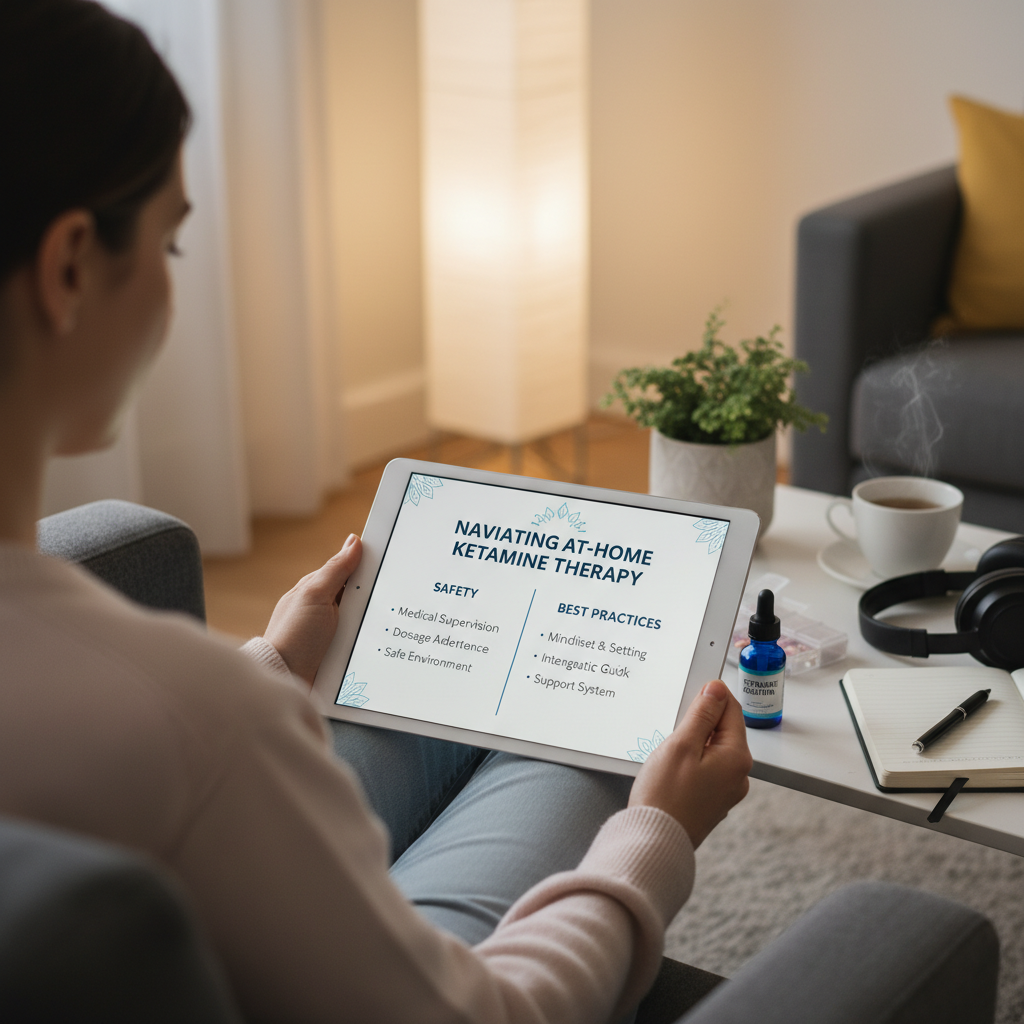
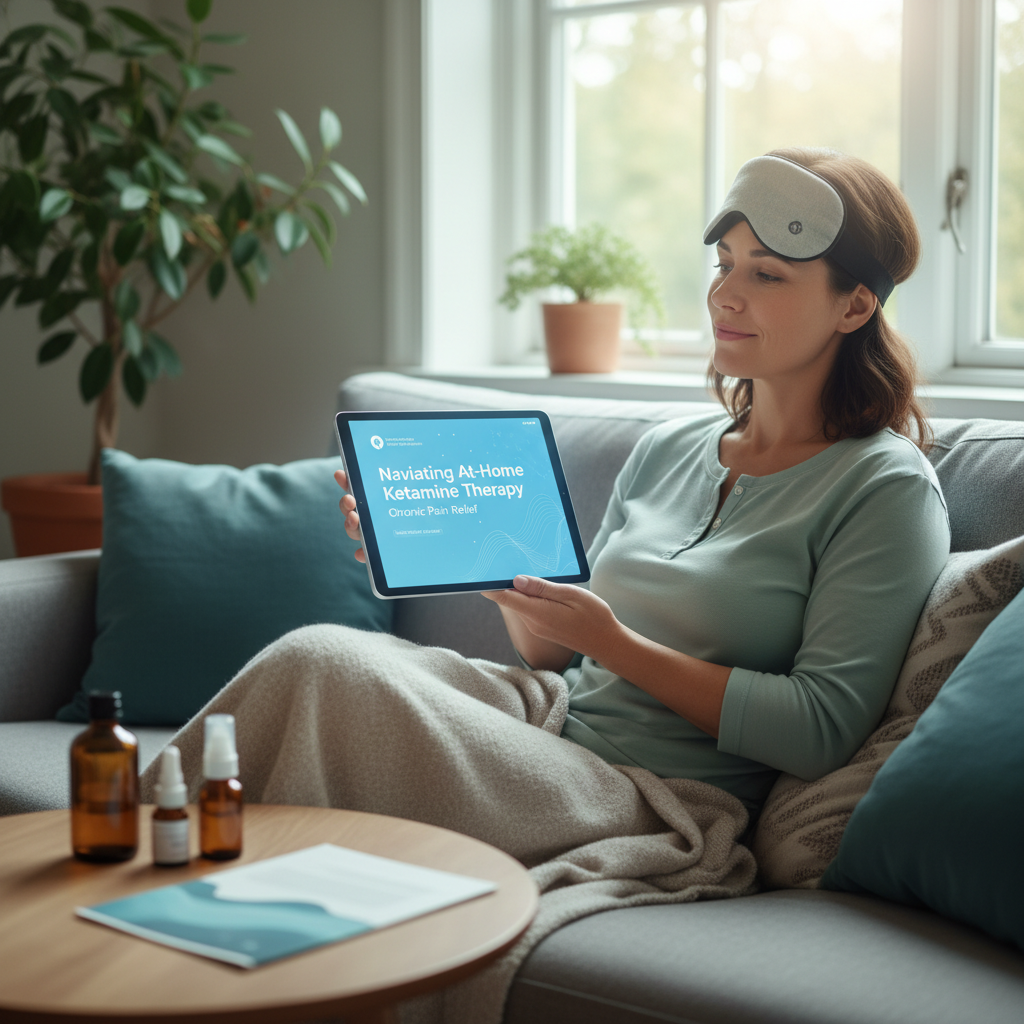
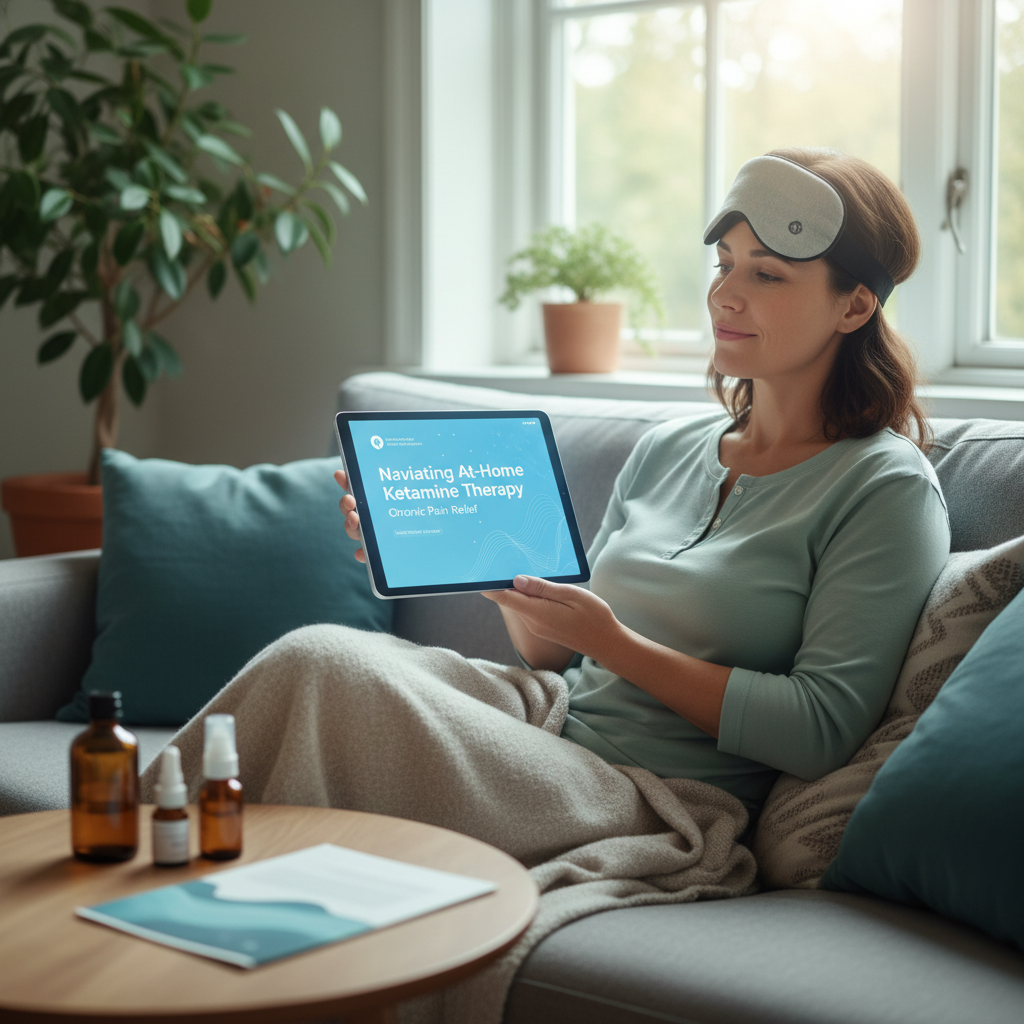
A typical at-home ketamine session begins with preparing a quiet, comfortable, and safe environment, often with soft lighting or music. The patient is instructed to take the prescribed sublingual ketamine lozenge, holding it in their mouth to absorb the medication before swallowing. During the 45-90 minute experience, a trusted adult support person remains present, and remote monitoring by the clinical team may occur. Patients are encouraged to relax, often lying down with an eye mask, and allow the experience to unfold without resistance. After the effects subside, a period of rest and reflection follows, often leading into integration work.
FAQ 6: How is dosing determined for at-home ketamine treatment?
Dosing for at-home ketamine treatment is meticulously determined by a prescribing clinician based on the patient’s individual medical history, weight, severity of symptoms, and tolerance. It always starts at a very low, therapeutic dose and is gradually titrated upwards over several sessions as needed, carefully monitoring for efficacy and side effects. The goal is to find the minimum effective dose that provides therapeutic benefits without causing undue discomfort or adverse reactions. Doses for at-home use are generally much lower than those used in hospital anesthesia or IV ketamine clinics. Regular check-ins with the clinician are crucial for dose adjustments.
FAQ 7: What safety precautions are essential for at-home ketamine use?
Essential safety precautions for at-home ketamine use include a comprehensive medical screening to rule out contraindications like uncontrolled hypertension or cardiac issues. Patients must have a trusted adult support person present during every session to monitor their well-being and assist if needed. A quiet, safe, and private environment free from distractions is crucial. It is vital to adhere strictly to the prescribed dosage and schedule, avoiding any self-adjustments. Patients should also refrain from driving or operating heavy machinery for at least several hours post-session. Regular communication with the medical team is non-negotiable.
FAQ 8: What role does a support person play during at-home sessions?
A trusted adult support person plays a critical role during at-home ketamine sessions, acting as a monitor and providing comfort and a sense of security. They are responsible for ensuring the patient’s physical safety, checking vital signs if instructed, and assisting if the patient experiences any discomfort or unexpected reactions. This individual does not participate in the therapeutic experience but offers a grounded presence, which can be immensely reassuring. Their presence ensures that emergency protocols can be enacted if necessary, making the at-home environment as safe as possible.
Section 3: Benefits, Risks, and Expectations
FAQ 9: What are the potential benefits of at-home ketamine for anxiety?
The potential benefits of at-home ketamine for anxiety are significant, especially for individuals with treatment-resistant forms of the condition. Many report a rapid reduction in anxiety symptoms, often within hours or days, leading to improved mood and increased emotional resilience. It can foster neuroplasticity, helping to break rigid thought patterns associated with chronic anxiety and enabling new perspectives. Patients often experience a deeper sense of calm, clarity, and an enhanced ability to engage with psychotherapy, making integration work more effective. The at-home setting itself can reduce treatment barriers and enhance comfort.
FAQ 10: What are the common side effects of at-home ketamine therapy?
Common side effects of at-home ketamine therapy are generally transient and mild, often including temporary increases in blood pressure and heart rate, nausea, dizziness, and dissociation during the session. Some patients may experience a feeling of detachment from reality, blurred vision, or confusion, which typically subsides within an hour or two post-dose. Less common but possible side effects include headaches, fatigue, or urinary tract symptoms with prolonged high-dose use. These effects are closely monitored by the medical team and support person, with guidance provided for managing any discomfort. Proper hydration and avoiding food before sessions can mitigate some of these effects.
FAQ 11: How long do the effects of at-home ketamine treatment last?
The immediate anti-anxiety effects of a single at-home ketamine session typically last from a few hours to a few days. However, the lasting therapeutic benefits, particularly for chronic anxiety, emerge from a series of treatments that promote sustained neuroplastic changes. With a full course of therapy and consistent integration work, many individuals experience symptom reduction lasting weeks to months. The duration of benefits is highly individual and often requires maintenance doses or booster sessions over time, alongside ongoing therapy, to sustain the positive changes. This is not a one-time cure but a potent tool for ongoing management.
FAQ 12: Can at-home ketamine therapy be addictive or abused?
While ketamine does have the potential for abuse, particularly when used recreationally in high doses, medically supervised at-home ketamine therapy for anxiety is generally not considered addictive. The doses prescribed for therapeutic purposes are typically much lower than those used recreationally, and the treatment structure includes strict protocols, clinician oversight, and limited access to the drug. The goal is therapeutic healing, not inducing euphoric states, and clinicians actively monitor for any signs of misuse. Patients with a history of substance abuse are often screened out or require more stringent monitoring, but for most, the risk of addiction in this controlled setting is low.
Section 4: Integration and Long-Term Wellness
FAQ 13: What is “integration therapy” and why is it important?
“Integration therapy” refers to the crucial process of making sense of and applying the insights and emotional shifts gained during ketamine sessions into one’s daily life. It’s often facilitated by a therapist or coach, helping patients process their experiences, challenge old patterns, and develop new coping mechanisms. This therapy is vital because ketamine creates a window of neuroplasticity, but without conscious effort to integrate new perspectives, the brain may revert to old habits. It transforms the profound yet temporary psychedelic experience into sustained, actionable therapeutic growth and lasting change. Without integration, the long-term benefits of ketamine therapy are often diminished.
FAQ 14: How can I maximize the therapeutic benefits of at-home ketamine?
To maximize the therapeutic benefits of at-home ketamine, actively engage in integration therapy with a qualified mental health professional to process insights and develop new coping strategies. Create a comfortable and intention-filled setting for each session, free from distractions, to allow for deeper introspection. Maintain open and honest communication with your prescribing clinician about your experiences and any side effects. Prioritize healthy lifestyle habits, including adequate sleep, balanced nutrition, and regular exercise, as these support neuroplasticity and overall well-being. Approaching the treatment with an open mind and a commitment to self-reflection will significantly enhance outcomes.
FAQ 15: What happens after the initial course of at-home ketamine therapy?
After the initial course of at-home ketamine therapy, the focus shifts to maintaining the therapeutic gains through continued integration work and potentially, a maintenance plan. This often involves ongoing psychotherapy to solidify new coping mechanisms and perspectives. Your clinician will assess the need for periodic ‘booster’ ketamine sessions, which are less frequent and designed to sustain neuroplastic changes and prevent relapse of symptoms. The goal is to establish a long-term strategy for mental wellness, empowering you with tools and support beyond the intensive treatment phase. It’s a journey towards sustained well-being, not just a temporary fix.
FAQ 16: Are there long-term considerations for at-home ketamine users?
Yes, there are important long-term considerations for at-home ketamine users, including ongoing monitoring for potential side effects, especially urinary tract health with prolonged use. Continued engagement with integration therapy is crucial for embedding learned insights and maintaining emotional resilience. Regular follow-ups with your prescribing clinician are essential to adjust any maintenance dosing and assess overall mental health. Patients should also focus on maintaining a healthy lifestyle, as supportive habits like diet and exercise can significantly enhance the sustained benefits of the therapy. Adherence to these practices helps ensure safety and enduring therapeutic outcomes over time.