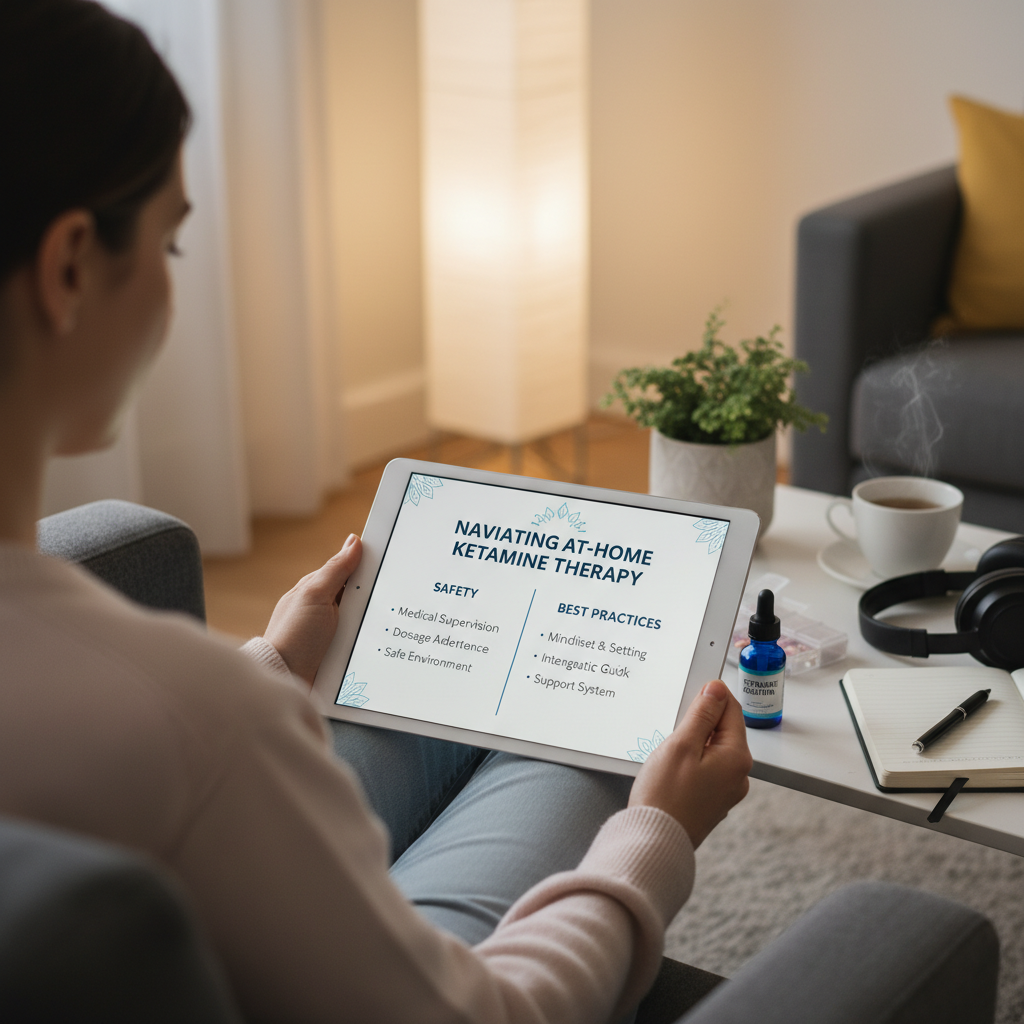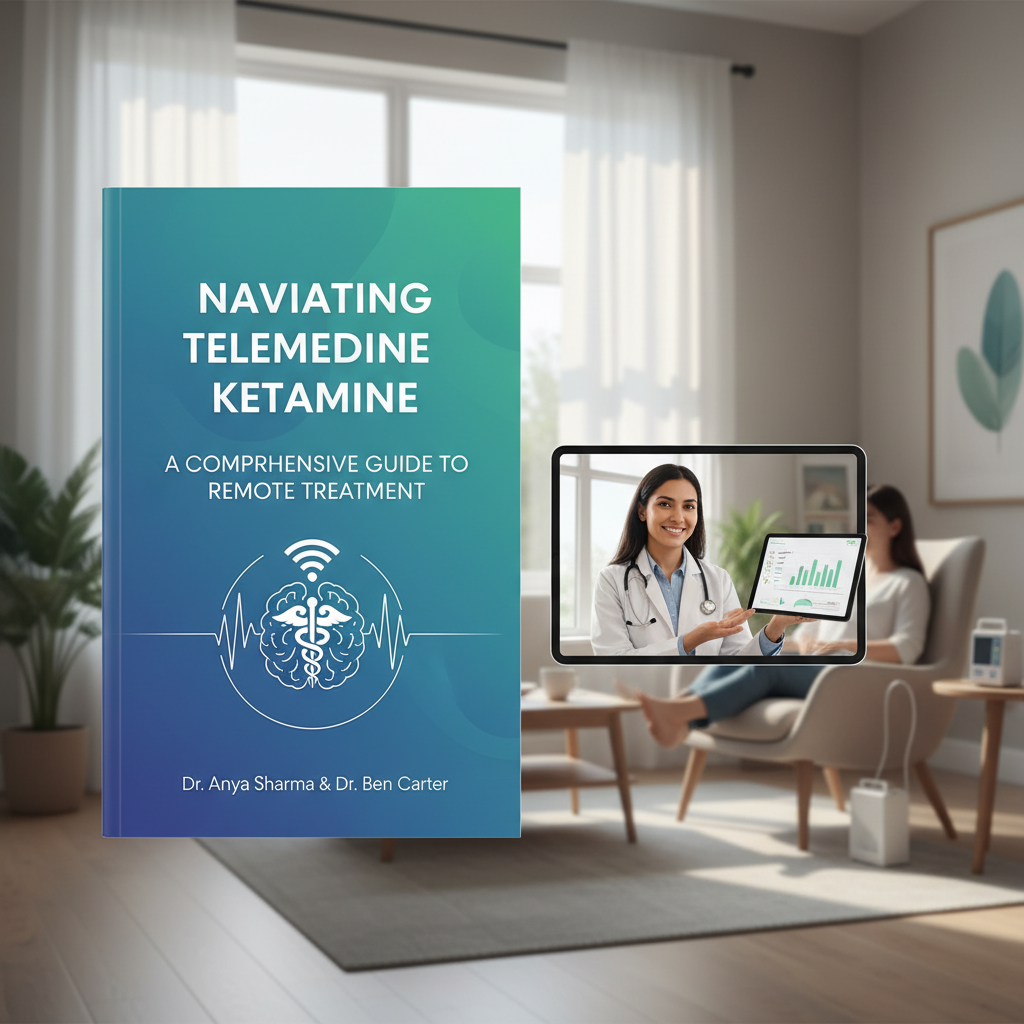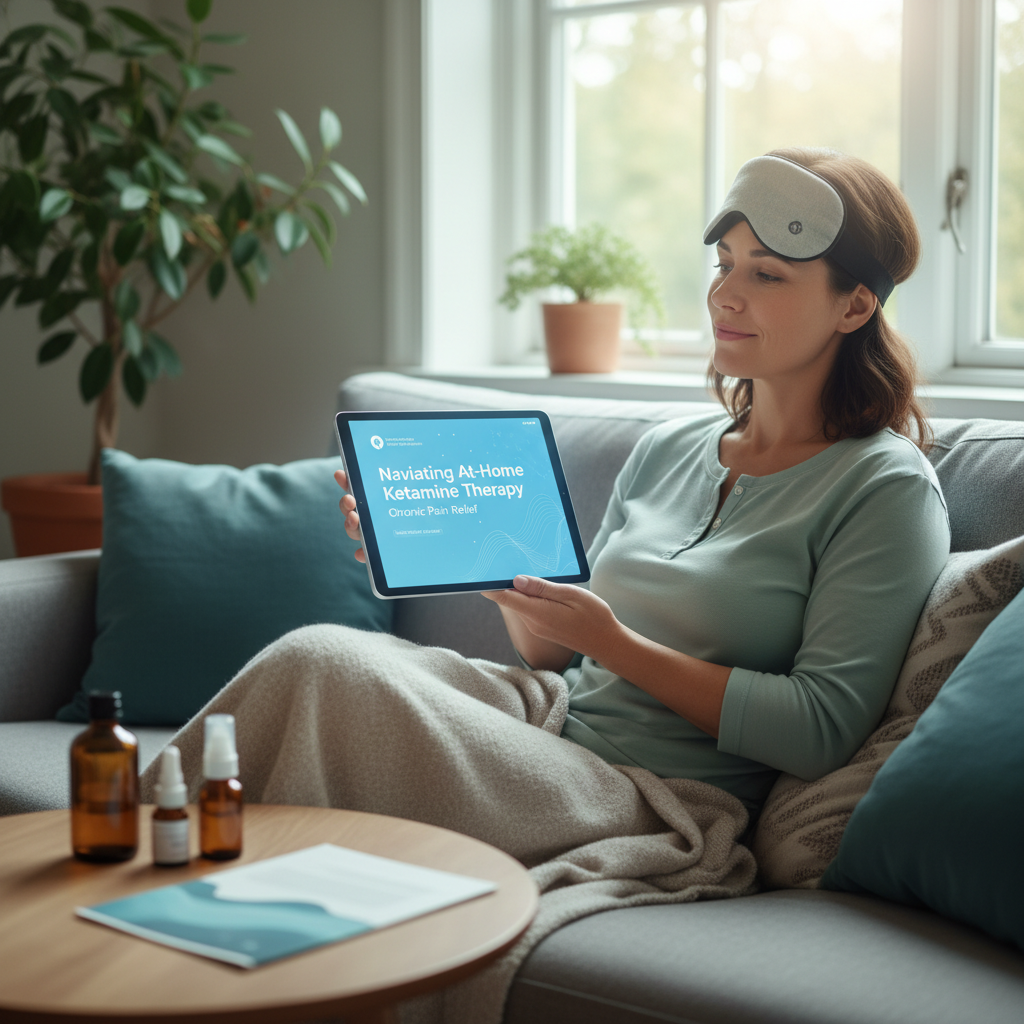
Expert insights into remote psychedelic therapy for mental wellness.
Quick Summary / Key Takeaways
- Telehealth ketamine treatment offers accessible, at-home therapy for conditions like depression and PTSD under professional medical supervision.
- The process involves thorough screening, personalized dosing, and integration support, prioritizing patient safety and therapeutic outcomes.
- Patients often report profound experiences and significant improvements in mood and outlook, guided by a clinician throughout the journey.
- While convenient, it’s crucial to select a reputable provider that emphasizes robust safety protocols, patient education, and follow-up care.
- Ketamine’s rapid antidepressant effects and neuroplasticity-promoting properties make it a groundbreaking option, even when delivered remotely.
Introduction
Imagine a profound healing journey from the sanctuary of your own home. For too long, individuals struggling with persistent mental health conditions like depression, anxiety, and PTSD have sought relief, often facing barriers to traditional in-clinic treatments. But a new frontier in mental wellness is rapidly expanding: **telehealth ketamine treatment**. This isn’t just about a medication; it’s about a paradigm shift in how we approach mental health care. By leveraging secure, convenient virtual platforms, patients can now access the powerful therapeutic effects of ketamine, traditionally administered in clinics, under careful remote medical supervision. Like many, I’ve seen firsthand the struggles of navigating complex health systems. The idea of receiving potentially life-changing therapy without the added stress of travel or unfamiliar environments is revolutionary. It’s an opportunity to bridge the gap between breakthrough science and accessible, compassionate care. This comprehensive guide will demystify telehealth ketamine, exploring its mechanisms, benefits, the patient experience, and how to navigate this innovative treatment landscape safely and effectively. Let’s peel back the layers and understand how this modern approach is offering a beacon of hope.
Telehealth vs. In-Clinic Ketamine Treatment Comparison
| Feature | Telehealth Ketamine | In-Clinic Ketamine | Key Differentiator |
|---|---|---|---|
| Setting | Comfort of your own home | Medical facility or clinic | Privacy and convenience |
| Delivery Method | Oral lozenges, nasal spray | IV infusion, intramuscular injection | Administration style |
| Supervision | Remote video monitoring by clinician | Direct, in-person medical staff | Proximity of care team |
| Cost (Average) | Often more affordable (e.g., $300-$700/session) | Higher (e.g., $400-$1000+/session) | Reduced overheads for telehealth |
Essential Considerations for Telehealth Ketamine Providers
| Aspect | Importance Level | Provider Best Practice | Patient Benefit |
|---|---|---|---|
| Medical Screening | Critical | Comprehensive health and psychiatric evaluation | Ensures safety and suitability for treatment |
| Clinical Supervision | High | Real-time video monitoring during sessions | Immediate support for patient comfort/safety |
| Integration Support | Very High | Pre/post-session therapy and guidance | Maximizes long-term therapeutic outcomes |
| Emergency Protocol | Essential | Clear plan for adverse events, 24/7 contact | Provides peace of mind and rapid response |
Application Preparation Checklist
- Consult with your primary care provider about telehealth ketamine suitability.
- Research and vet multiple telehealth ketamine providers for credentials and safety protocols.
- Ensure you have a comfortable, private space and a trusted ‘sitter’ for your sessions.
- Prepare your mind and environment, including intention setting and removing distractions.
Post-Arrival Checklist
- Actively engage in post-session integration therapy and journaling to process insights.
- Maintain open communication with your clinical team about experiences and progress.
- Adhere to all follow-up appointments and dosage adjustments recommended by your provider.
- Cultivate healthy lifestyle habits to support and extend the therapeutic benefits of treatment.
Table of Contents
Section 1: Understanding Telehealth Ketamine Therapy
- What is telehealth ketamine treatment?
- How does ketamine work for mental health conditions?
- What conditions can telehealth ketamine help treat?
- Is telehealth ketamine considered safe and effective?
Section 2: Navigating the Treatment Process
- What’s the typical process for starting telehealth ketamine?
- What kind of medical supervision is involved remotely?
- How is dosage determined and managed in telehealth settings?
- What should I expect during a ketamine session at home?
Section 3: Benefits, Risks, and Patient Experience
- What are the primary advantages of telehealth ketamine?
- Are there specific risks or side effects to be aware of?
- How does the at-home experience differ from in-clinic?
- Can anyone receive telehealth ketamine treatment?
Section 4: Practical Considerations and Future Outlook
- What’s the typical cost of telehealth ketamine treatment?
- How do I choose a reputable telehealth ketamine provider?
- What does the future hold for remote psychedelic therapies?
Frequently Asked Questions
Section 1: Understanding Telehealth Ketamine Therapy
FAQ 1: What is telehealth ketamine treatment?
Telehealth ketamine treatment involves using ketamine, a dissociative anesthetic, for mental health conditions, with all consultations, prescriptions, and often supervision conducted remotely via virtual platforms. This allows patients to receive therapy from the comfort and privacy of their own homes, often using sublingual lozenges or nasal sprays. Medical professionals guide the patient through the entire process, from initial screening to post-session integration. It’s a modern approach that democratizes access to a powerful therapeutic agent. Strict safety protocols are a cornerstone of this remote delivery.
FAQ 2: How does ketamine work for mental health conditions?
Ketamine primarily works by blocking the N-methyl-D-aspartate (NMDA) receptor in the brain, rapidly increasing glutamate and promoting neuroplasticity, which helps create new neural pathways. This mechanism can quickly alleviate symptoms of depression and anxiety, often within hours or days, unlike traditional antidepressants that can take weeks. It effectively “resets” dysfunctional brain circuits, improving mood regulation and cognitive flexibility. Unlike other antidepressants, ketamine doesn’t just manage symptoms; it appears to repair some of the neurological damage associated with chronic stress and depression.
FAQ 3: What conditions can telehealth ketamine help treat?
Telehealth ketamine is primarily used to treat severe depression, including treatment-resistant depression (TRD), as well as certain forms of anxiety, PTSD, and chronic pain conditions. Its off-label use for these conditions is supported by a growing body of clinical evidence showcasing its rapid and robust antidepressant effects. While not a cure-all, it offers significant relief where conventional treatments have failed. Always consult with a qualified medical professional to determine if it’s the right treatment path for your specific condition.
FAQ 4: Is telehealth ketamine considered safe and effective?
When administered by experienced medical professionals following strict protocols, telehealth ketamine is considered safe and effective for appropriate candidates. Effectiveness is high for many, with rapid symptom reduction. Safety is ensured through thorough medical screening, personalized dosing, and remote supervision during sessions, along with integration therapy. Potential side effects are generally mild and transient, such as temporary dissociation or elevated blood pressure, managed by clinical oversight. The key to both safety and efficacy lies in responsible clinical practice and patient adherence.
Section 2: Navigating the Treatment Process
FAQ 5: What’s the typical process for starting telehealth ketamine?
The typical process for starting telehealth ketamine treatment begins with a comprehensive medical and psychiatric evaluation to determine eligibility and suitability. Once approved, the patient receives a personalized treatment plan and a prescription for ketamine lozenges or nasal spray, delivered directly to their home. Before the first session, patients receive detailed instructions on preparation and what to expect. This includes setting up a safe, comfortable environment and often arranging for a trusted “sitter” to be present. The initial consultation acts as a crucial gatekeeper, ensuring patient safety.
FAQ 6: What kind of medical supervision is involved remotely?
Remote medical supervision for telehealth ketamine typically involves a licensed clinician (e.g., nurse practitioner, physician assistant, or physician) monitoring the patient via secure video call throughout the ketamine session. This allows the clinician to observe the patient’s physiological responses, emotional state, and provide guidance or intervention if needed. Patients often have access to a direct line of communication for immediate support. The goal is to replicate the safety and support of an in-clinic experience, prioritizing patient well-being during the dissociative state. Vital signs may be monitored with at-home devices.
FAQ 7: How is dosage determined and managed in telehealth settings?
Dosage in telehealth ketamine settings is highly individualized, determined by the prescribing clinician based on a patient’s medical history, weight, and initial response to treatment. Providers typically start with a low dose and gradually titrate it upwards, carefully observing the patient’s reactions during supervised sessions. The goal is to find the minimum effective dose that provides therapeutic benefits with manageable side effects. Ongoing communication with the patient is crucial for dosage adjustments, ensuring the treatment remains safe and optimized over time. This personalized approach is central to effective therapy.
FAQ 8: What should I expect during a ketamine session at home?
During a home ketamine session, you can expect to experience a temporary dissociative state, often described as an altered perception of reality, floating sensations, or a shift in perspective. Your clinician will be monitoring you via video, guiding you through the experience. It’s common to feel detached from your body or thoughts, which can be profoundly therapeutic for processing emotions or reframing negative patterns. The effects typically last 45-90 minutes, followed by a gradual return to baseline, with lingering effects of relaxation and clarity. Many describe it as introspective and often transformative.
Section 3: Benefits, Risks, and Patient Experience
FAQ 9: What are the primary advantages of telehealth ketamine?
The primary advantages of telehealth ketamine include increased accessibility for those in remote areas or with mobility issues, enhanced privacy and comfort in one’s own home, and often lower costs compared to in-clinic treatments. This model removes geographical barriers and reduces the logistical stress of traveling to appointments, which can be particularly beneficial for individuals with severe depression. The familiar home environment can also foster a greater sense of safety and relaxation, potentially enhancing the therapeutic experience. It truly puts the patient’s convenience at the forefront of care.
FAQ 10: Are there specific risks or side effects to be aware of?
While generally safe, specific risks and side effects of ketamine can include temporary increases in blood pressure and heart rate, nausea, dizziness, or a feeling of dissociation. These effects are usually mild and transient, resolving shortly after the session. Long-term risks, if any, are still being studied, but responsible clinical practice aims to mitigate them through careful screening and monitoring. Contraindications include uncontrolled high blood pressure, certain heart conditions, or active psychosis. Clinicians prioritize patient education on managing these potential side effects. Always discuss your full medical history.
FAQ 11: How does the at-home experience differ from in-clinic?
The at-home ketamine experience differs from in-clinic primarily in the environment and method of administration, offering a unique blend of comfort and autonomy. In-clinic often involves intravenous (IV) administration, providing immediate and tightly controlled effects, while home treatment typically uses oral or nasal forms, leading to a more gradual onset. The home setting allows for greater personalization of your therapeutic space and integration into your daily life. While clinical settings offer immediate in-person medical intervention, telehealth provides remote monitoring, emphasizing a supportive home environment. Many find the home environment more conducive to introspection and emotional safety.
FAQ 12: Can anyone receive telehealth ketamine treatment?
No, not everyone is a suitable candidate for telehealth ketamine treatment; thorough medical and psychiatric screening is essential to ensure patient safety and efficacy. Individuals with certain medical conditions, such as uncontrolled high blood pressure, a history of psychosis, or severe heart conditions, may be excluded. Additionally, those with active substance abuse issues or who are not deemed capable of safely self-administering medication remotely are typically not eligible. It’s crucial that a licensed clinician assesses your overall health and mental state before approval. This gatekeeping function is paramount.
Section 4: Practical Considerations and Future Outlook
FAQ 13: What’s the typical cost of telehealth ketamine treatment?
The typical cost of telehealth ketamine treatment can vary widely but generally ranges from $250 to $700 per session, often including consultations, medication, and supervision. This makes it potentially more affordable than traditional in-clinic IV ketamine, which can exceed $1000 per session. Many providers offer package deals for multiple sessions, which can further reduce the per-session cost. Insurance coverage for ketamine therapy is still evolving, so patients should inquire directly with their provider and insurance company. Some clinics offer payment plans or financial aid to improve accessibility. Be sure to clarify all costs upfront.
FAQ 14: How do I choose a reputable telehealth ketamine provider?
Choosing a reputable telehealth ketamine provider requires diligent research into their medical credentials, safety protocols, and patient testimonials. Look for providers with licensed medical professionals (physicians, PAs, NPs) experienced in ketamine therapy, offering comprehensive psychiatric evaluations and ongoing integration support. Verify their adherence to strict patient screening, real-time remote supervision during sessions, and robust emergency protocols. Transparent pricing and clear communication about the treatment process are also key indicators of trustworthiness. Don’t be afraid to ask direct questions about their safety measures and success rates. Your health deserves nothing less.
FAQ 15: What does the future hold for remote psychedelic therapies?
The future of remote psychedelic therapies, including ketamine, is incredibly promising, with ongoing research and evolving regulatory frameworks poised to expand access and applications. We can anticipate more substances like MDMA and psilocybin potentially becoming available via telehealth as legislation and clinical trials progress. Increased integration with traditional psychotherapy and AI-enhanced patient monitoring could personalize care even further. The focus will likely remain on responsible innovation, ensuring patient safety and maximizing therapeutic outcomes. This paradigm shift could redefine mental health care, making powerful treatments mainstream. The horizon looks bright for compassionate, accessible healing.